
🌿 Landscape Care
2 tasks scheduled for November
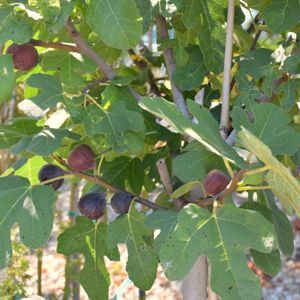
Chicago Hardy Fig
Winter Protection · SouthBuildingBed
Schedule: Annually, November–December.
Allow the plant to experience several light frosts (approximately 30–32°F) to encourage natural dormancy. Watch for leaves turning yellow or brown and falling off.
Once most leaves have dropped, protect the plant before temperatures reach the low 20s°F.
Surround the plant with a wire cage, leaving 6–12 inches between the branches and the cage. Fill loosely with dry straw or leaves, then wrap the outside with burlap. Cover the top to shed rain while allowing ventilation.
Apply 3–4 inches of mulch around the root area, keeping mulch away from the trunk.
Spring Removal:
Gradually remove winter protection after the danger of severe freezing weather has passed, generally March–April. Monitor forecasts and protect again if necessary.
Notes:
Chicago Hardy Fig is root-hardy in Missouri but may experience significant branch dieback during winter. Protecting the above-ground growth helps preserve established branches and encourages earlier fruit production the following season.
Text Brent at 573-233-4368 to report this task completeAllow the plant to experience several light frosts (approximately 30–32°F) to encourage natural dormancy. Watch for leaves turning yellow or brown and falling off.
Once most leaves have dropped, protect the plant before temperatures reach the low 20s°F.
Surround the plant with a wire cage, leaving 6–12 inches between the branches and the cage. Fill loosely with dry straw or leaves, then wrap the outside with burlap. Cover the top to shed rain while allowing ventilation.
Apply 3–4 inches of mulch around the root area, keeping mulch away from the trunk.
Spring Removal:
Gradually remove winter protection after the danger of severe freezing weather has passed, generally March–April. Monitor forecasts and protect again if necessary.
Notes:
Chicago Hardy Fig is root-hardy in Missouri but may experience significant branch dieback during winter. Protecting the above-ground growth helps preserve established branches and encourages earlier fruit production the following season.
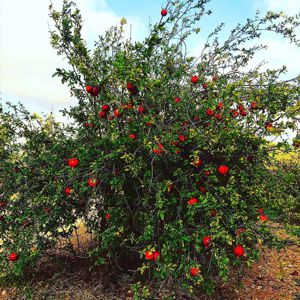
Cold Hardy Red Pomegranate
Winter Protection · SouthWestBed
Schedule: Annually, November–December.
Allow the plant to experience light frosts (approximately 30–32°F) to encourage dormancy. Watch for leaves turning yellow and dropping.
Once most leaves have fallen, install winter protection before temperatures fall into the mid-20s°F. Protect earlier if a sudden hard freeze is forecast.
Surround the plant with a wire cage, leaving 6–12 inches between branches and the cage. Fill loosely with dry straw or leaves and wrap the outside with burlap. Provide a rain-shedding top with ventilation to keep insulation dry.
Apply 3–4 inches of mulch around the root area without piling mulch against the trunk.
Spring Removal:
Gradually remove protection after the danger of severe freezing weather has passed, generally March–April. Re-cover if a late freeze threatens.
Notes:
Pomegranates are generally less cold-hardy than Chicago Hardy figs. Winter protection is particularly important in southeast Missouri to prevent branch dieback. Preserving established branches improves the chances of flowering and fruit production the following season.
Text Brent at 573-233-4368 to report this task completeAllow the plant to experience light frosts (approximately 30–32°F) to encourage dormancy. Watch for leaves turning yellow and dropping.
Once most leaves have fallen, install winter protection before temperatures fall into the mid-20s°F. Protect earlier if a sudden hard freeze is forecast.
Surround the plant with a wire cage, leaving 6–12 inches between branches and the cage. Fill loosely with dry straw or leaves and wrap the outside with burlap. Provide a rain-shedding top with ventilation to keep insulation dry.
Apply 3–4 inches of mulch around the root area without piling mulch against the trunk.
Spring Removal:
Gradually remove protection after the danger of severe freezing weather has passed, generally March–April. Re-cover if a late freeze threatens.
Notes:
Pomegranates are generally less cold-hardy than Chicago Hardy figs. Winter protection is particularly important in southeast Missouri to prevent branch dieback. Preserving established branches improves the chances of flowering and fruit production the following season.